
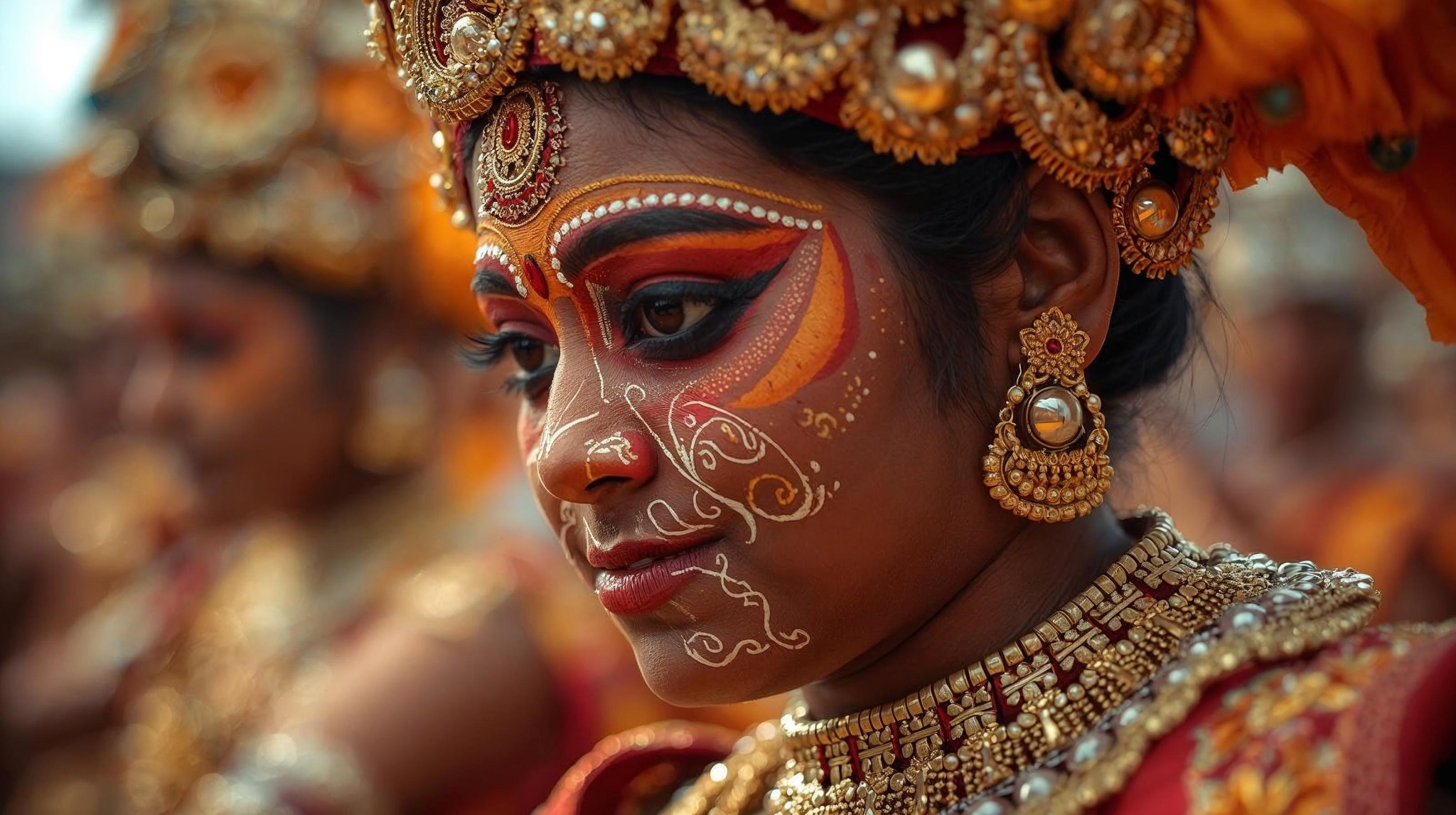
Sri Lanka’s festivals are a living part of the island’s social rhythm. They are not only spectacular to watch, but also deeply tied to faith, harvest cycles, family rituals, and local identity.
From the warmth and playfulness of Sinhala and Tamil New Year to the illuminated calm of Vesak and the grandeur of Kandy Esala Perahera, every celebration reveals a different side of Sri Lankan life.
For travellers, the best approach is not to treat festivals as background entertainment. They are often the most direct way to feel the island’s cultural depth — and sometimes the best reason to shape the whole route around a particular place and time.
The Rich Tapestry of Sri Lankan Festivals
Sri Lanka’s festival calendar reflects the island’s layered history and cultural diversity. Buddhist, Hindu, Christian, and Muslim traditions all have a visible place in public life, and that makes the country unusually rich in ceremonial experiences throughout the year.
Many celebrations trace their roots back centuries. Others grew through community practice, temple life, or harvest customs. What they share is a strong sense of participation: music, dance, offerings, lanterns, processions, and food all become part of the atmosphere, whether you are in a major city or a smaller town.
Why festivals matter for travel planning
Sinhala and Tamil New Year: Harmony, Renewal, and Family Traditions
Celebrated in April, Sinhala and Tamil New Year is one of the most loved festivals in Sri Lanka. It marks the end of the harvest season and the beginning of a new astrological cycle, but just as importantly, it is a time of reunion, gratitude, and renewal.
Homes are cleaned, new clothes are worn, sweet foods are prepared, and carefully timed rituals are observed according to auspicious hours. Across the island, the mood is festive and family-oriented.
What makes it special
- Boiling milk in a clay pot to symbolize prosperity
- Traditional games and community gatherings
- Temple and religious visits for blessings
- Meals and sweets shared across generations
For visitors, this festival is one of the clearest windows into Sri Lanka’s everyday culture. It feels personal, warm, and deeply local.
Vesak Poya: Light, Reflection, and Acts of Compassion
Vesak Poya, usually in May, is one of the most important Buddhist observances in Sri Lanka. It marks the birth, enlightenment, and passing of the Buddha, and it transforms streets, homes, and temples with lanterns and illuminated displays.
The atmosphere is both celebratory and reflective. Many Sri Lankans spend time at temples, listen to sermons, meditate, offer alms, and support charitable acts throughout the day.
What travellers often notice
- Beautiful Vesak lanterns and large decorative light panels
- Free food stalls and acts of public generosity
- Temple visits, white clothing, and a quieter spiritual mood
- A strong feeling of kindness and community care
Useful traveller note
Kandy Esala Perahera: Sri Lanka’s Most Majestic Festival Procession
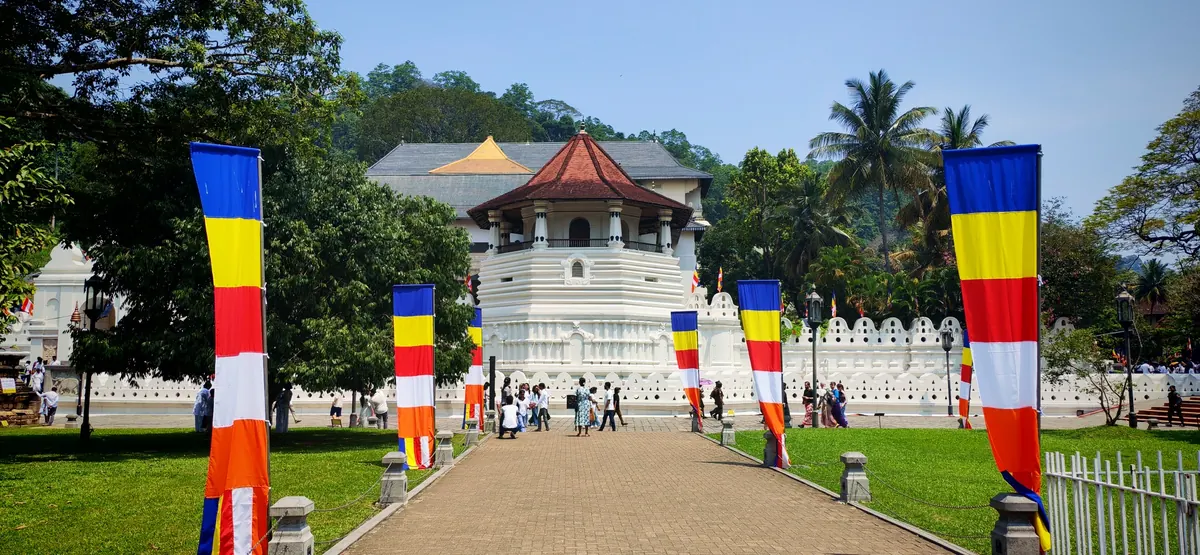
Kandy Esala Perahera, held in July or August, is one of the most famous and visually powerful festivals in Sri Lanka. It honors the Sacred Tooth Relic of the Buddha, housed at the Temple of the Tooth in Kandy, and unfolds over several nights of grand processions.
Dancers, drummers, torch bearers, richly dressed performers, and decorated elephants move through the city in a sequence that is at once ceremonial, artistic, and unforgettable. The sound, color, and rhythm make it one of the island’s most iconic cultural experiences.
Highlights of the experience
- Lavishly dressed elephants and ceremonial processions
- Kandyan dance and drumming traditions at full intensity
- Evening processions through the streets of Kandy
- The final Randoli Perahera nights, which are especially sought after
Duruthu Perahera: Honoring a Sacred Visit
Celebrated in January at Kelaniya Raja Maha Vihara, Duruthu Perahera commemorates the traditional belief that the Buddha visited Sri Lanka. It is one of the island’s best-known temple processions outside Kandy and combines religious significance with classic procession imagery.
Visitors can expect decorated elephants, drummers, Kandyan dancers, and a festival mood that feels both reverent and highly visual. It is a good example of how Sri Lanka’s religious festivals also function as living cultural performance.
Navam Perahera: Colombo’s Grand Festival Parade
Navam Perahera takes place in Colombo in February and is strongly associated with the Gangaramaya Temple. It brings procession culture into the capital, making it more accessible for travellers who may not be heading inland to Kandy.
The parade is known for decorated elephants, dancers, drummers, and a vivid ceremonial format that gives Colombo a very different energy for the evening. For travellers staying in the city, it can be one of the easiest ways to witness a major festival atmosphere without reshaping a whole route.
Deepavali: Light, Joy, and the Triumph of Goodness
Deepavali, also known as Diwali, is celebrated by Sri Lanka’s Hindu Tamil community and usually falls between October and November. It symbolizes light over darkness and goodness over evil.
Homes are decorated, lamps are lit, sweets are prepared, and prayers are offered to Lakshmi, the goddess of wealth. Streets and homes often feel lively, bright, and full of festive warmth.
For visitors, Deepavali offers a chance to see another layer of Sri Lanka’s cultural identity — especially in areas with strong Tamil communities, where the festival feels intimate, elegant, and family-centered.
Thai Pongal: Gratitude to the Sun and the Harvest
Thai Pongal, celebrated in January, is an important Tamil harvest festival. At its center is a ritual of boiling milk and rice in new clay pots, offering thanks to the Sun God for abundance and agricultural blessing.
The festival is joyful and symbolic. It highlights Sri Lanka’s deep rural and agricultural roots, while also offering travellers a chance to witness traditions that are both ancient and still fully alive in contemporary family life.
Experiencing Festivals Well: Tips for Travellers
Festivals can be some of the most rewarding moments of a Sri Lanka trip, but they are easiest to enjoy when approached with a bit of planning and respect.
- Book accommodation early around major events, especially in Kandy
- Dress modestly when attending temple-centered or religious celebrations
- Check festival timing carefully, because many dates shift each year
- Expect traffic, road closures, or larger crowds near procession routes
- Be thoughtful with photography and follow local guidance where needed
A calmer way to plan around a festival
Lesser-Known Festivals Worth Discovering
Beyond the headline festivals, Sri Lanka has many smaller or lesser-known religious and cultural events that can be deeply rewarding to witness. These often feel more intimate and less crowded, while still offering strong insight into local traditions.
- The Vel Festival, with Hindu procession traditions and striking color
- The Madhu Church Festival, important within Sri Lanka’s Catholic community
- The Nallur Festival in Jaffna, known for its scale and devotional intensity
- Aluth Sahal Mangallaya, tied to the first rice harvest offering
These festivals show just how broad Sri Lanka’s cultural landscape really is. The most memorable trip is not always the one that follows only the biggest names.
Why Festivals Matter in Sri Lankan Society
Sri Lanka’s festivals are not isolated tourist moments. They help preserve music, dance, religious practice, and community rituals that have been carried through generations. They strengthen family and neighbourhood bonds, support local economies, and keep cultural memory visible in public life.
They also reveal something important about the country itself: despite its diversity, festival culture often creates shared public spaces of celebration, respect, and exchange. That makes them meaningful not only as events, but as a way of understanding the island’s social fabric.
Final Thoughts
If you want to experience Sri Lanka in a deeper way, festivals are one of the strongest places to start. They are full of beauty and spectacle, but they also reveal the values, beliefs, and traditions that shape daily life on the island.
Whether it is the glowing calm of Vesak, the family warmth of Sinhala and Tamil New Year, or the grandeur of Kandy Esala Perahera, these celebrations stay with travellers long after the trip ends.
A festival can turn an ordinary travel date into something memorable. Done thoughtfully, it can also become the cultural heart of the whole route.

