
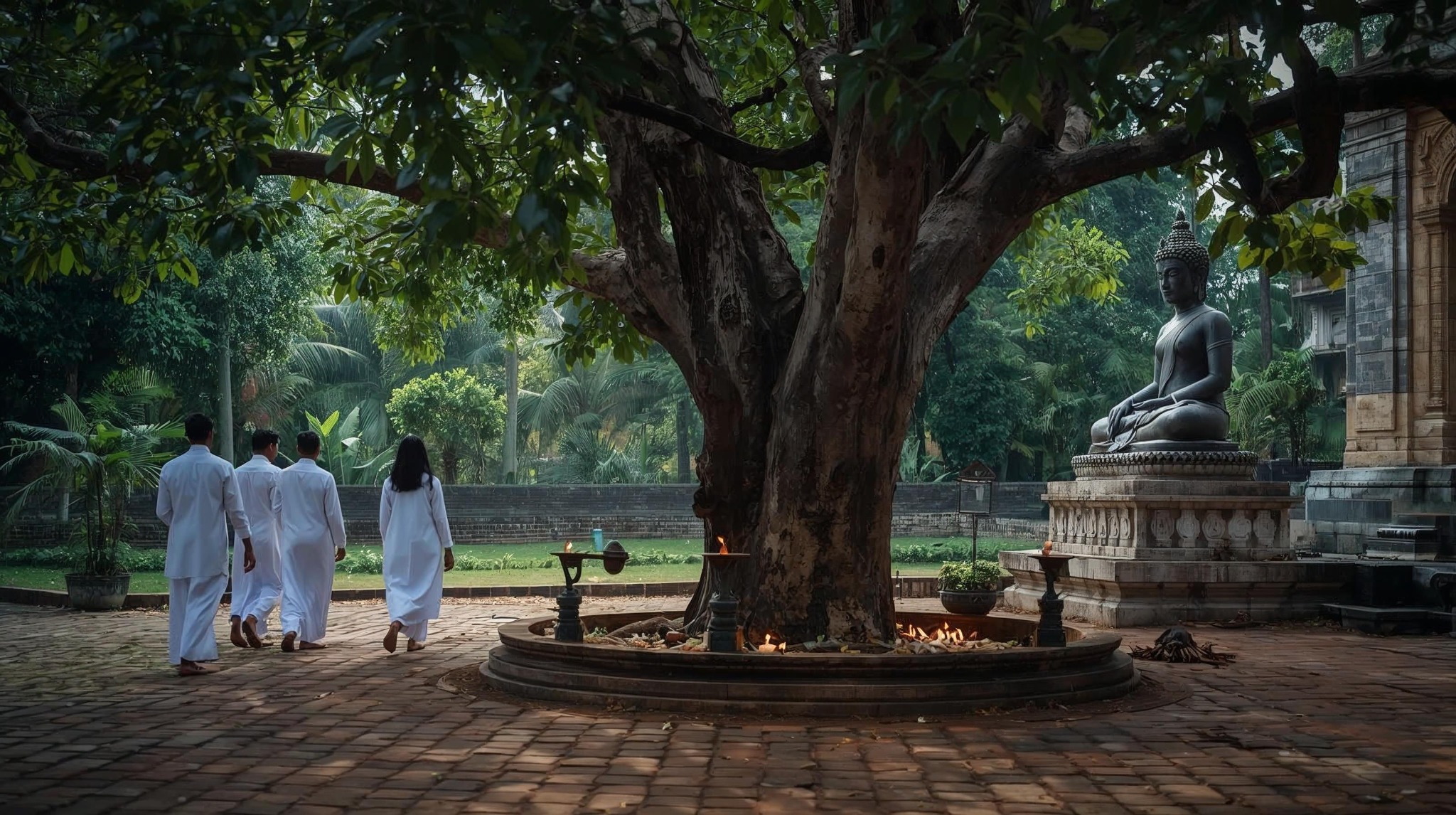
Poya Day in Sri Lanka is not just a note on the calendar. It is a full-moon observance that changes how the island feels for a day: temples fill, public life quiets a little, and alcohol sales stop completely.
For travellers, this matters most when hotel bars, restaurants, supermarkets, and beach venues suddenly cannot serve or sell alcohol. If you know it in advance, it is easy to plan around. If you do not, it can catch you off guard.
The upside is that Poya Days also offer one of the clearest windows into Sri Lanka's Buddhist culture, which is why many travellers end up remembering them as part of what made the trip feel more real.
What is Poya Day in Sri Lanka?
Poya Day occurs monthly on each full moon and represents one of Sri Lanka's most important Buddhist observances. With well over half the country practicing Buddhism, these are national public holidays marked by temple visits, reflection, and a noticeably different rhythm across the island.
The word “Poya” comes from the Pali word “Uposatha,” referring to Buddhist observance days. Each Poya Day can mark events in Buddha's life or important moments in Buddhist history.
Why travellers notice it
Key Poya Days Throughout the Year
- Vesak Poya (May): Celebrates Buddha's birth, enlightenment, and death
- Poson Poya (June): Commemorates the introduction of Buddhism to Sri Lanka
- Esala Poya (July/August): Marks Buddha's first sermon
- Vap Poya (October): Celebrates the end of Buddha's retreat from heaven
These larger Poya holidays can feel especially vivid, with more devotees, more temple activity, and a stronger public-holiday atmosphere.
The Complete Alcohol Ban: What Travelers Must Know
Alcohol sales are completely prohibited throughout Sri Lanka on Poya Days. This is not a partial restriction. It affects:
- Liquor stores and wine shops
- Restaurants and bars, including hotel bars
- Supermarkets and convenience stores
- Beach bars and tourist venues
- Room-service alcohol orders
Even in Colombo, Kandy, Galle, Unawatuna, Mirissa, and Bentota, the nationwide rule still applies.
Most common surprise
Smart Planning Tips for International Visitors
Before Poya Day arrives
- Buy drinks 1–2 days in advance if you want them
- Use airport duty free if it fits your trip better
- Check if your hotel room has a fridge or storage option
- Do not leave it until the evening before in smaller towns
Popular places to stock up
- Colombo: Larger supermarkets, duty free, and wine stores on main roads
- Kandy: City-centre supermarkets and established hotel areas
- Galle and beach towns: Local wine shops and supermarkets before the holiday begins
What travellers often buy
- Local beers like Lion Lager or Anchor
- Imported spirits from duty free or larger supermarkets
- Arrack for a more Sri Lankan drink choice
Simple prep
Cultural Significance and Respectful Travel
Understanding Poya Day properly goes beyond alcohol. Many Sri Lankans visit temples, meditate, observe the Five Precepts more carefully, spend time with family, and give to community causes.
As a visitor, it helps to match that tone rather than push against it.
- Dress modestly when visiting temples
- Remove shoes and hats before entering sacred spaces
- Avoid public alcohol consumption even if you have private supplies
- Keep noise down near temple areas
- Use the day for cultural visits, walking, markets, or slower travel
Planning Your Itinerary Around Poya Days
Temple visits and cultural experiences
Poya Days can be especially meaningful at places like the Temple of the Tooth in Kandy, Gangaramaya in Colombo, Dambulla, and the sacred areas around Anuradhapura.
Alternative evening plans
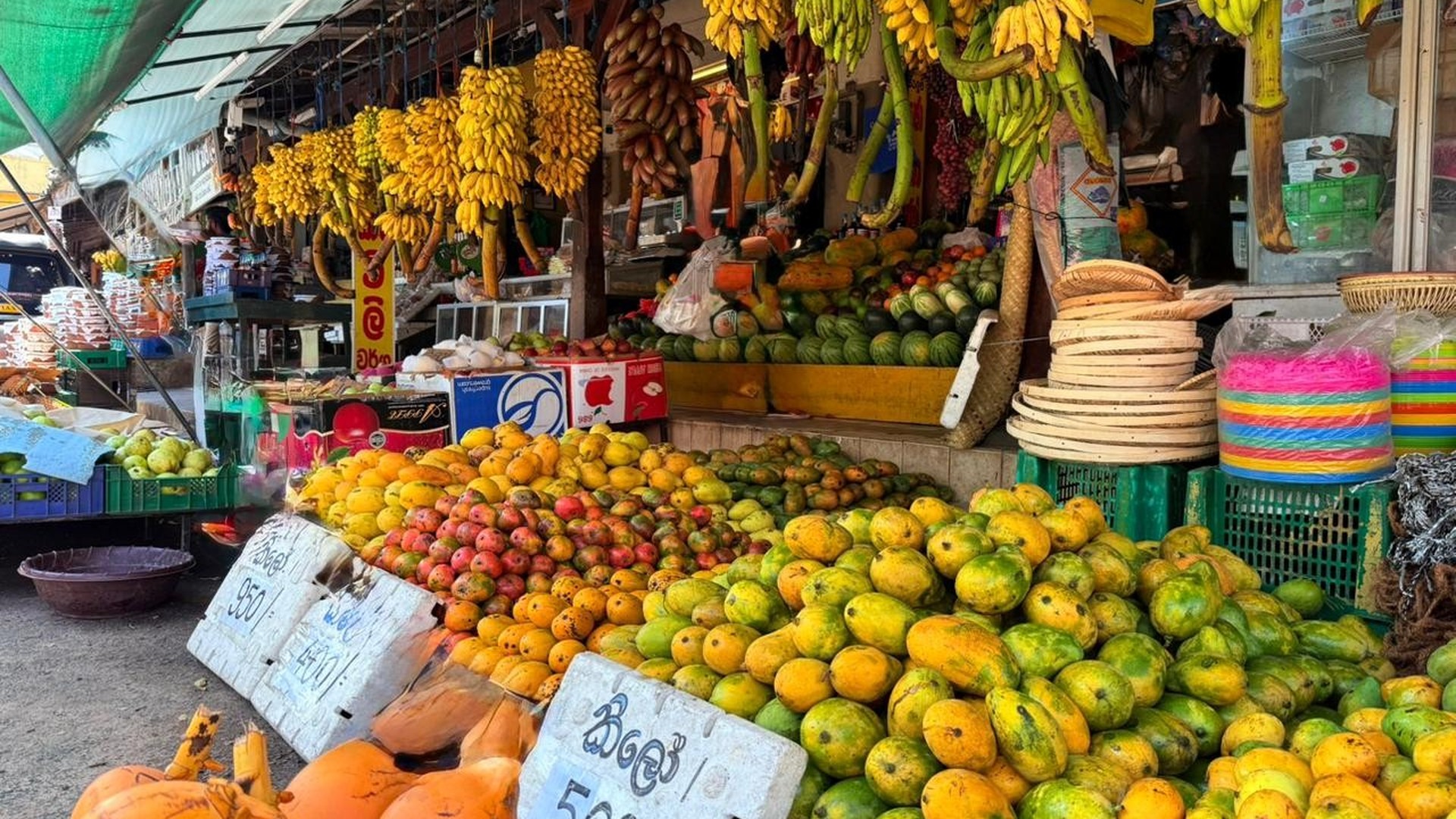
- Night markets and street-food walks
- Traditional dance or cultural performances
- Beach walks and moonlit coastal evenings
- Spa sessions or wellness time at the hotel
- Photography in the softer full-moon light
Regional Variations and Local Tips
Colombo and larger cities
Public venues follow the ban strictly. Some private clubs may operate differently for members, but visitors should not plan around exceptions.
Beach destinations
Nightlife drops noticeably, but beachfront restaurants often lean more on food, music, or cultural atmosphere instead.
Hill country
In Ella, Kandy, or Nuwara Eliya, cooler evenings can make Poya nights feel especially calm and reflective.
Ancient cities
Anuradhapura and similar sacred areas can feel especially powerful on Poya, with more pilgrims and a stronger devotional atmosphere.
Practical Poya Day Checklist for Travelers
48 hours before
- Check the lunar calendar or hotel desk for the date
- Buy drinks in advance if you want them
- Confirm hotel storage or fridge space
- Plan respectful temple clothes if visiting religious sites
On the day
- Keep alcohol consumption private and discreet
- Choose cultural, food, or nature-based activities
- Allow for a softer nightlife atmosphere
- Expect more religious activity than usual
Making the Most of Your Sri Lankan Experience
Poya Days should not be seen as limitations. They are often the moments when travellers see a more authentic side of Sri Lanka: slower, more devotional, and more closely tied to local rhythms than the usual resort or route-day version of the island.
Whether you are moving through ancient cities, the tea hills, or the southern coast, understanding Poya customs makes the trip smoother and more respectful. For many travellers, it also becomes one of the more memorable cultural layers of the journey.
Pro tip
The Bottom Line
Check Poya Day dates before you lock the route. A little preparation goes a long way, especially if you care about evening plans, drinks, or temple visits.
Handled well, Poya does not interrupt a Sri Lanka trip. It deepens it — replacing one ordinary holiday evening with something more local, more reflective, and far more memorable.

