
Sri Lanka is easier to enjoy when you work with the climate instead of pretending it is not there. Heat, humidity, long drives, and midday sun can quickly make travellers feel flat, especially in the first few days.
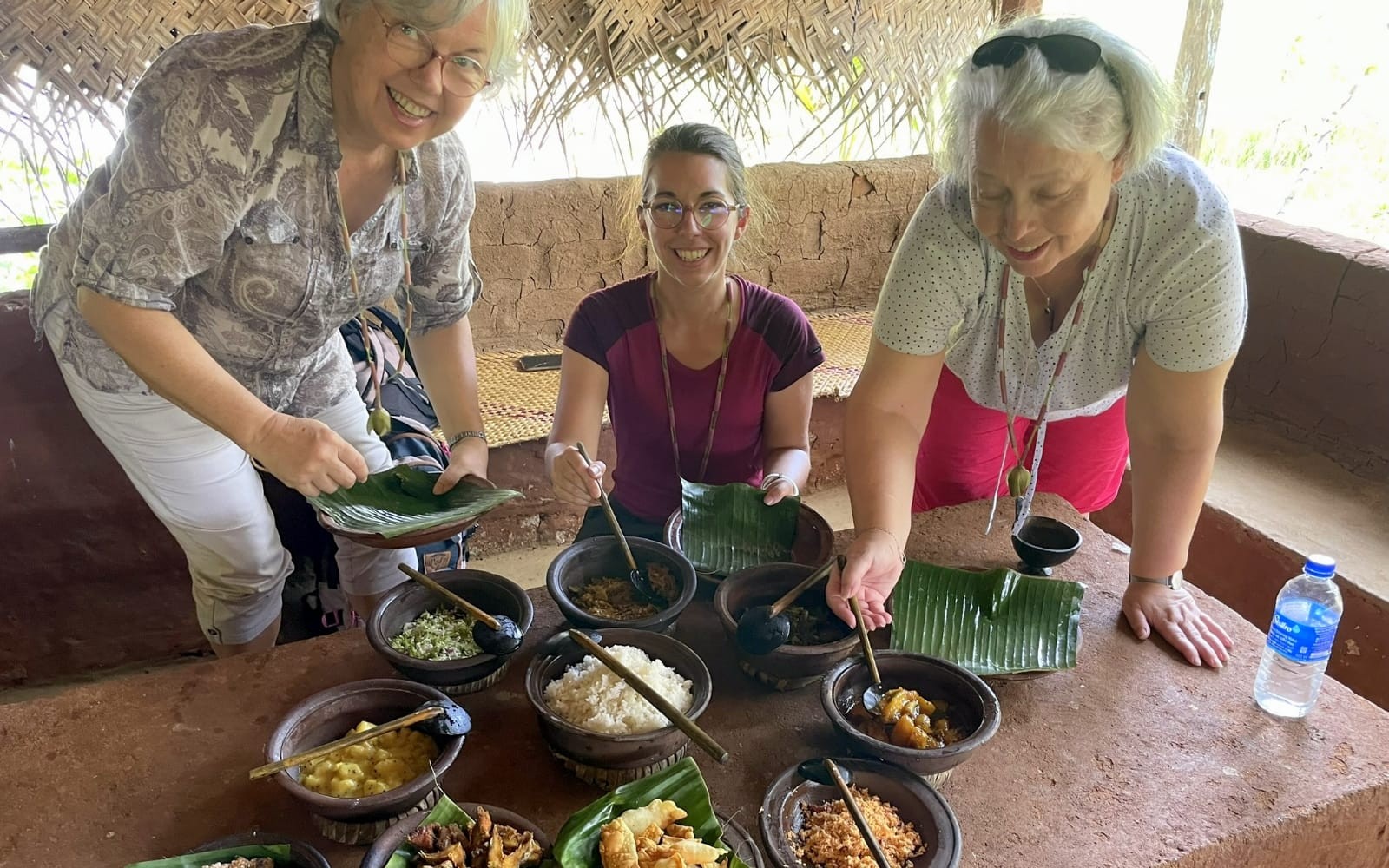
This is where the island's everyday food helps. Fresh king coconut, bananas, papaya, pineapple, cucumber, gotukola, and lighter rice-and-curry combinations often make more sense than heavy meals when you are moving around in warm weather.

Why food choices matter more in tropical weather
When days are hot, travellers often feel worse because they are under-hydrated, over-caffeinated, or simply eating too heavily at the wrong time. Sri Lanka's climate rewards a steadier rhythm: drink often, eat lighter at lunch, and use fruit as part of the day rather than as an afterthought.
You do not need a complicated plan. The main shift is to let the trip feel a little more tropical in its eating pattern.
- Use king coconut, bottled water, and fruit breaks to stay ahead of dehydration
- Choose cooked food that feels fresh and simple rather than very oily or very heavy at midday
- Treat the first few days as adjustment days, especially if you arrived from a cooler climate
The easiest foods to lean on
Bananas, papaya, pineapple, watermelon, mango when in season, and fresh curd with fruit all travel well through the day. Vegetable curries, mallung, dhal, soups, and rice portions that are sensible rather than oversized can also help your energy stay steady.
If you feel overheated, the goal is usually not to eat more. It is to eat a little better and drink a little earlier.
A simple rule that works
If lunch is followed by a transfer, safari, or temple climb, choose the lighter option. Sri Lanka often feels better when the meal leaves room for the afternoon rather than slowing it down.
What to remember on the road
Keep fruit, bottled water, and a realistic meal rhythm in mind on travel days. That matters more than chasing perfect nutrition while moving between towns.
The best version of heat management in Sri Lanka is usually very simple: shade, water, fruit, lighter lunches, and less pressure to do everything in the hottest part of the day.
How to make the heat easier without over-planning it
The easiest version of this article in practice is not to treat every hot day as a health project. Keep a simple rhythm instead: start earlier, drink before you feel thirsty, use fruit or yoghurt as a light bridge between meals, and avoid letting lunch become the heaviest part of an active day.
If the route includes temple steps, long scenic drives, or beach afternoons, small food decisions matter more than travellers expect. A cooler drink, a fruit stop, or a lighter rice-and-curry lunch often protects the whole afternoon better than trying to recover once the body already feels flat.
- Make breakfast count before the heat peaks
- Use fruit and water breaks on longer transfer days
- Treat king coconut as part of the routine, not a once-only novelty
How this helps before you travel
The most useful practical articles are the ones that remove small frictions before they become travel-day stress. Essential Fruits and Vegetables for Heat Survival works best when you read it early enough to adjust what you pack, how you time things, or what you expect on the ground.
In Sri Lanka, small practical details can shape the overall feel of the trip more than travellers expect. When those details are handled early, the route itself usually becomes calmer.
- Use the article while booking and packing, not only after arrival
- Build a little buffer around the practical parts of the route
- Keep the goal simple: fewer avoidable surprises once the trip starts