

Tipping in Sri Lanka usually sits in a middle ground. It is not an automatic service charge culture in the way some travellers know from elsewhere, but it is also not strange or uncomfortable. When service feels thoughtful, many people choose to show appreciation directly.
This matters most with drivers, because a good driver often does far more than simply cover the kilometres. They help with timings, luggage, local communication, stop decisions, comfort breaks, and the general feeling of how easy or tiring the route becomes.
So the real question is rarely “Do I have to tip?” It is closer to “If this person helped the trip go well, what feels fair, clear, and locally respectful?”
The culture of tipping and bargaining in Sri Lanka
Sri Lanka has room for both bargaining and tipping, and that can feel contradictory if you are not used to it. In practice, it is normal to care about fair pricing and still show gratitude when service is especially good.
Bargaining tends to appear in more flexible-price situations. Tipping tends to appear after the fact, once you know how the service actually felt. The two are not enemies. One is about agreeing a fair deal. The other is about acknowledging effort, care, and professionalism.
A useful way to think about it
Why drivers matter so much on a Sri Lanka trip
On a driver-based Sri Lanka route, your chauffeur often becomes one of the most important parts of the journey. The value is not just in getting from one hotel to the next.
- They help the days start and end on time
- They adjust the road rhythm when weather, traffic, or energy levels shift
- They know where to pause for clean rest stops, local food, or views worth the detour
- They often smooth over language gaps with hotel teams, shops, or guides
- They can quietly help the route feel less stressful for families, older travellers, or mixed-energy groups
When that support is thoughtful and consistent, tipping often feels less like an obligation and more like the natural end to a well-handled trip.
So what should you tip your driver?
There is no single official number. The amount usually depends on the length of the trip, how much support the driver gave, and whether the service felt merely correct or genuinely helpful.
For multi-day private tours, many travellers use around 5% to 10% of the transport service cost as a generous working guide when service has been strong. For shorter hires, airport transfers, or one-day routes, people usually give a smaller cash thank-you rather than calculating a strict percentage.
The key is not mathematical perfection. It is whether the amount feels meaningful relative to the route and the effort involved.
Multi-day routes
A percentage-based thank-you often makes sense, especially when the driver helped with luggage, timing, route changes, and day-to-day comfort.
Single-day hires
A modest cash tip is common if the day was smooth, punctual, and handled with care.
Best practical guide
What can justify tipping a bit more?
Some routes ask more of a driver than others. A tip often grows when the service included extra care, flexibility, or support beyond the basic drive.
- Handling difficult weather or long mountain-road days calmly
- Helping with elderly parents, children, or travellers who need a softer pace
- Adapting the route well when plans changed mid-trip
- Finding helpful local food stops, viewpoints, or practical detours
- Being consistently punctual, polite, and easy to travel with
- Giving the trip a feeling of confidence rather than friction
This does not mean every good driver needs a large extra amount. It simply explains why some travellers naturally end up tipping above the minimum they first imagined.
When a smaller tip is still completely reasonable
Not every route ends with the same level of appreciation, and that is fine. If the service was decent but not especially engaged, many travellers still tip modestly rather than generously.
And if service was poor, chaotic, or dismissive, you are not required to force a large thank-you that does not reflect the experience. The goal is fair appreciation, not social pressure.
No need to perform it
How to hand over the tip
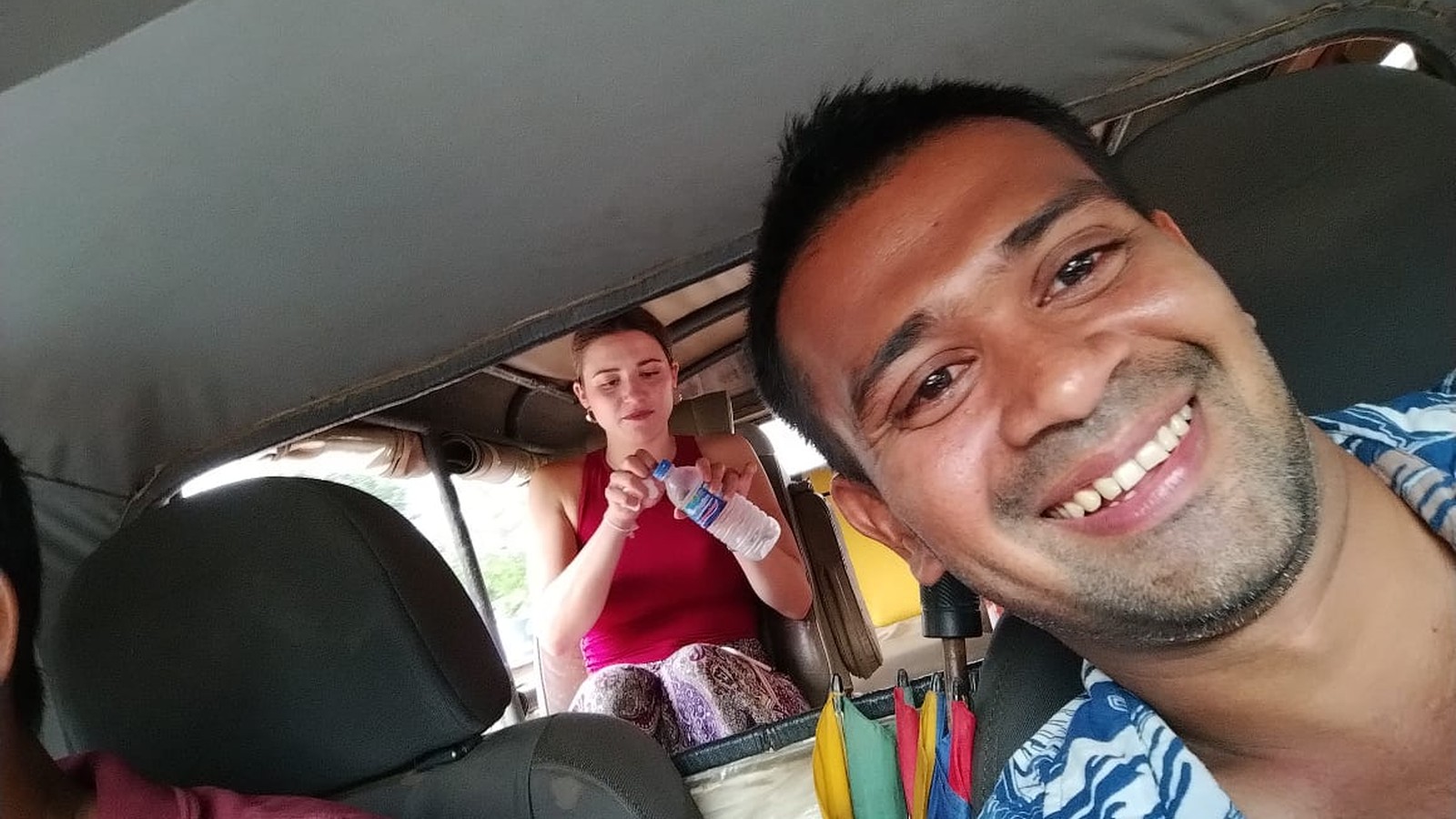
The best moment is usually at the end of the route or on the final day, once you know how the whole experience felt. Hand it directly to the driver in cash and, if you like, add a short line about what you appreciated.
- Local currency is easiest and most useful
- A private, low-drama moment works better than making it public
- Specific feedback often means as much as the money itself
- If multiple travellers are contributing, combine it into one clear handover
Simple examples are enough: “Thank you for making the route easy,” or “We really appreciated how calm you kept the trip.”
Other ways to show appreciation
A cash tip is useful, but it is not the only thing that helps. Good drivers also benefit from visible, specific praise that supports future work.
- Leave a detailed Google or TripAdvisor review
- Mention the driver by name if the company structure allows it
- Recommend the service to friends planning a similar route
- Send a short thank-you note to the operator after the trip
For many drivers, thoughtful reviews matter because they build trust before the next booking even starts.
A fair tipping mindset for Sri Lanka
The most useful way to approach tipping in Sri Lanka is not as a rigid rule, but as part of travelling well. You agree a fair rate. You judge the real service. And if the person helped carry the route properly, you end with a thank-you that feels proportionate.
That keeps the whole exchange healthy: practical at the start, appreciative at the end. It also fits the way many Sri Lankan travellers themselves think about service — fairness first, gratitude when it is earned.
Final note: good tipping follows good route planning
When the route is realistic, the timing is calm, and expectations are clear, drivers usually have much more room to do their best work. That is one reason well-planned trips often lead to more genuine appreciation: the service has space to feel human rather than rushed.
So if you want the tipping part to feel simple, start by shaping a trip that is not overloaded. Then, at the end, thank the person who helped it run well.

