
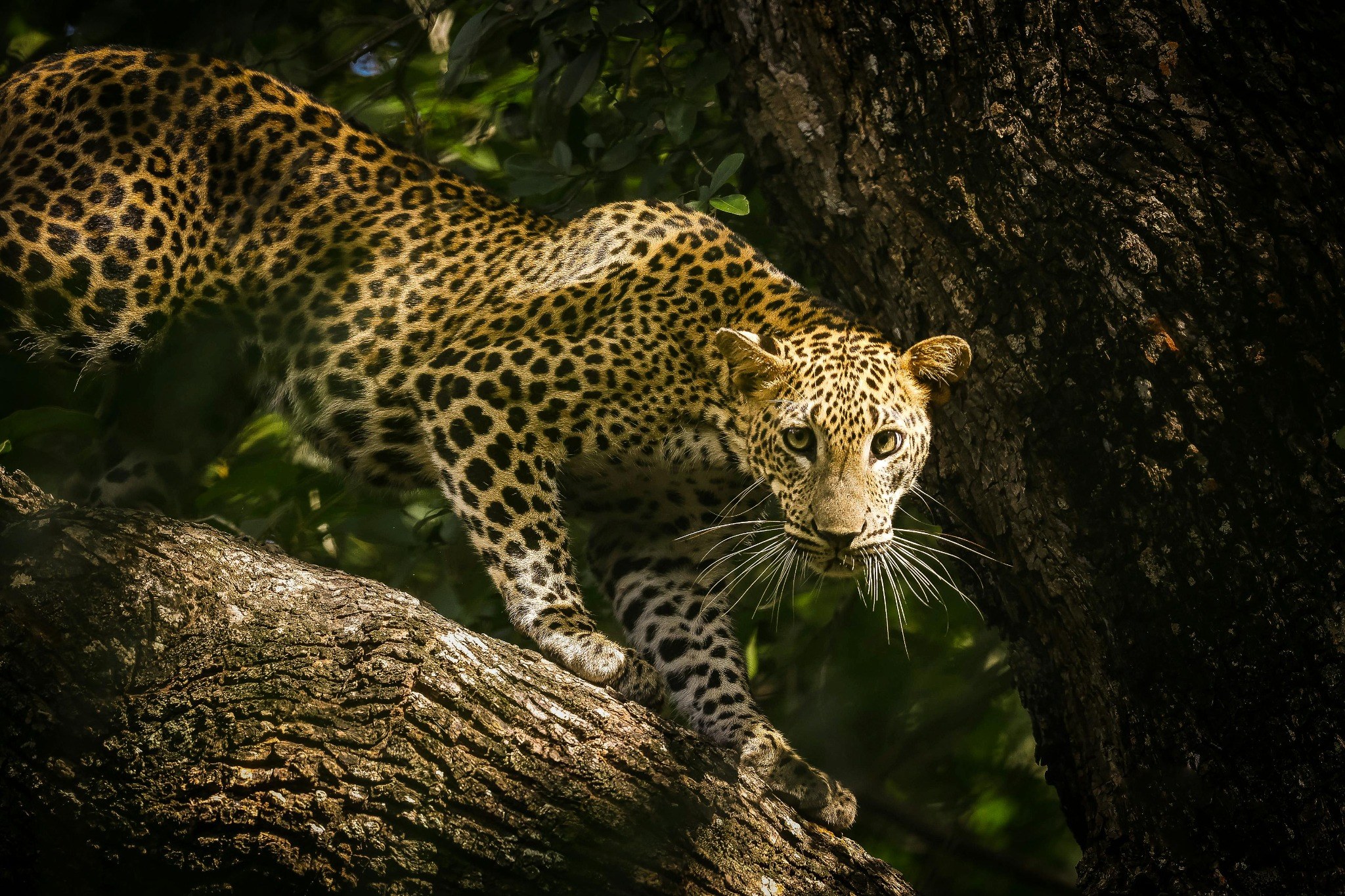
A good Yala day is about more than one animal. The landscape, dawn light, birdlife, elephants, crocodiles, and the feeling of moving through a dry-zone park all shape the experience.
At the same time, popularity means the park can feel busy in certain periods, so how you place it in the route matters.

What people come to Yala for
Leopard interest is a major draw, but most visitors also want the broader safari feel: jeep movement at first light, changing dry-zone scenery, and the chance of seeing several different species in one outing.
That wider mindset usually leads to a better safari day.
When Yala works well in a route
Yala usually fits best when paired with south or southeast movement rather than bolted awkwardly onto an already full hill-country or cultural loop. Early starts and long approach drives can make a big difference to the day.
Many travellers enjoy it more when they overnight nearby and treat the safari as the centrepiece of that window.
Expectation check
Even in a famous park, no wildlife sighting can be guaranteed. The better goal is a strong safari experience, not a rigid species checklist.
How to keep the safari day balanced
Do not overload the same day with too many other major sights. Heat, drive time, and the early start already make Yala a full experience.
If the route gives it proper space, Yala can become one of the trip's strongest contrasts.
How safari timing shapes the rest of the route
A Yala safari often starts early or stretches into the later part of the day, which means the surrounding nights matter. Travellers usually enjoy it more when the route gives the park proper space instead of forcing a long transfer immediately before or after the jeep session.
That is especially true for families or travellers already carrying a full itinerary. A safari is exciting, but it still takes energy. Planning around that energy is part of doing the experience well.
Where this fits best in a balanced trip
The easiest way to enjoy A Safari Experience to Remember: Yala National Park in Sri Lanka is to let it become one well-placed highlight rather than one more task inside an already full day. Experiences usually feel stronger when the route protects their timing, energy, and setting.
That often means giving them a proper overnight nearby, a lighter follow-on plan, or enough room in the day that the experience still has atmosphere instead of feeling rushed.
- Use the experience as a day anchor, not only an add-on
- Avoid stacking it on top of the longest transfer in the route
- Let the surrounding overnight plan support the mood of the day

