
Good travel etiquette in Sri Lanka is not about memorising a long rulebook. Most of it comes down to showing care in the moments that matter: how you greet people, how you enter religious places, how you dress when the setting asks for it, and how you respond when someone offers help or hospitality.
Sri Lankans are often warm, patient, and generous with visitors. That usually means travellers are given a fair amount of grace. But a little awareness still changes the quality of the trip. It makes interactions smoother, reduces awkward moments, and shows that you are trying to meet the place on its own terms rather than expecting it to bend around yours.
This guide focuses on the practical etiquette points that make the biggest difference on the ground, especially for first-time visitors moving between cities, temples, hotels, markets, and driver-led travel days.
Why etiquette matters more than perfect knowledge
Most locals will not expect you to know every custom. What they notice more quickly is your attitude. A calm tone, a warm smile, patience in crowded places, and a willingness to adapt usually go further than trying to act like an expert.
In Sri Lanka, respect is often communicated through restraint rather than performance. That means greeting people kindly, avoiding unnecessary loudness, and paying attention to whether a place feels sacred, private, formal, or relaxed.
The simplest rule
Greetings and first interactions
Sri Lanka is generally easygoing in everyday conversation, but warmth and politeness matter. A smile, eye contact, and a simple hello are usually enough. Many travellers also enjoy learning Ayubowan, a traditional greeting that carries a sense of wishing someone long life.
Handshakes can happen, especially in more urban or business-facing settings, but they are not essential in every interaction. When giving, receiving, or greeting, using your right hand is usually the safest and most respectful default.
- Greet warmly, even when the interaction is brief
- Use your right hand when passing money, tickets, or documents if practical
- Keep your tone polite rather than overly direct or rushed
- With older people or hosts, a little extra courtesy goes a long way
Dress and public behavior
Sri Lanka is not a place where you need formal clothing for daily travel, but context matters. Beachwear belongs at the beach. In towns, restaurants, trains, and local streets, modest and tidy clothing tends to feel more respectful.
This becomes more important in rural areas and anywhere linked to religion. Covering shoulders and knees is a useful rule in temples, and often the easiest choice for cultural sites more broadly.
Public displays of affection are usually best kept low-key. Loud arguments, drunken behavior, or treating shared spaces as if nobody else is there also land badly. Sri Lanka often rewards a softer social presence.
Buddhist temple etiquette in Sri Lanka
Temples are one of the places where etiquette matters most visibly. Even if the atmosphere feels calm and open, the site is still religious first and touristic second.
- Remove shoes and hats before entering temple areas where required
- Cover shoulders and knees
- Keep your voice low and move without rushing
- Avoid touching statues, murals, or sacred objects
- Do not pose with your back to Buddha images for photographs
If you are unsure where shoes should come off or which parts are open to visitors, watch what locals are doing or ask quietly. That small pause usually prevents the only kind of temple mistake that really feels jarring.
Temple photo note
Hospitality, homes, and being a gracious guest
Sri Lankans can be strikingly hospitable. Tea, food, or small acts of help are often offered very naturally. Accepting with gratitude is usually appreciated, even if you only take a small amount.
If you are invited into a home or a more personal setting, follow the tone of the host. Wait to be shown where to sit, keep your shoes on or off according to what seems normal in that space, and do not assume the same level of casualness you might use at home.
A small gift is a kind gesture if you are visiting someone more formally, but genuine thanks and attentive behavior matter more than bringing something elaborate.
Dining etiquette and shared meals
Sri Lankan meals are often generous and social. Eating with the right hand is common, though cutlery is widely available in hotels and many restaurants. If you prefer using a spoon and fork, that is usually not a problem.
When eating with others, especially in a home or more local setting, it is polite to wait a moment and follow the host or the group. Meals are less about rigid rules than about reading the pace of the table.
- Wash your hands before eating if food is being eaten by hand
- Use your right hand for eating or serving in more traditional settings
- Show appreciation for the meal rather than treating it casually
- If offered more, a polite yes or a warm refusal both work better than indifference
Photography etiquette
Sri Lanka is highly photogenic, but not every moment needs to become a photo. A good travel habit is to ask before photographing people closely, especially children, religious practitioners, market vendors, or anyone in a private-feeling moment.
At temples and cultural sites, pay attention to signs and to the mood of the place. Flash, drone use, or intrusive staging can feel out of place quickly. The same applies in wildlife settings: your photo should not come at the cost of peace, safety, or respectful distance.
Etiquette with drivers, guides, and service teams
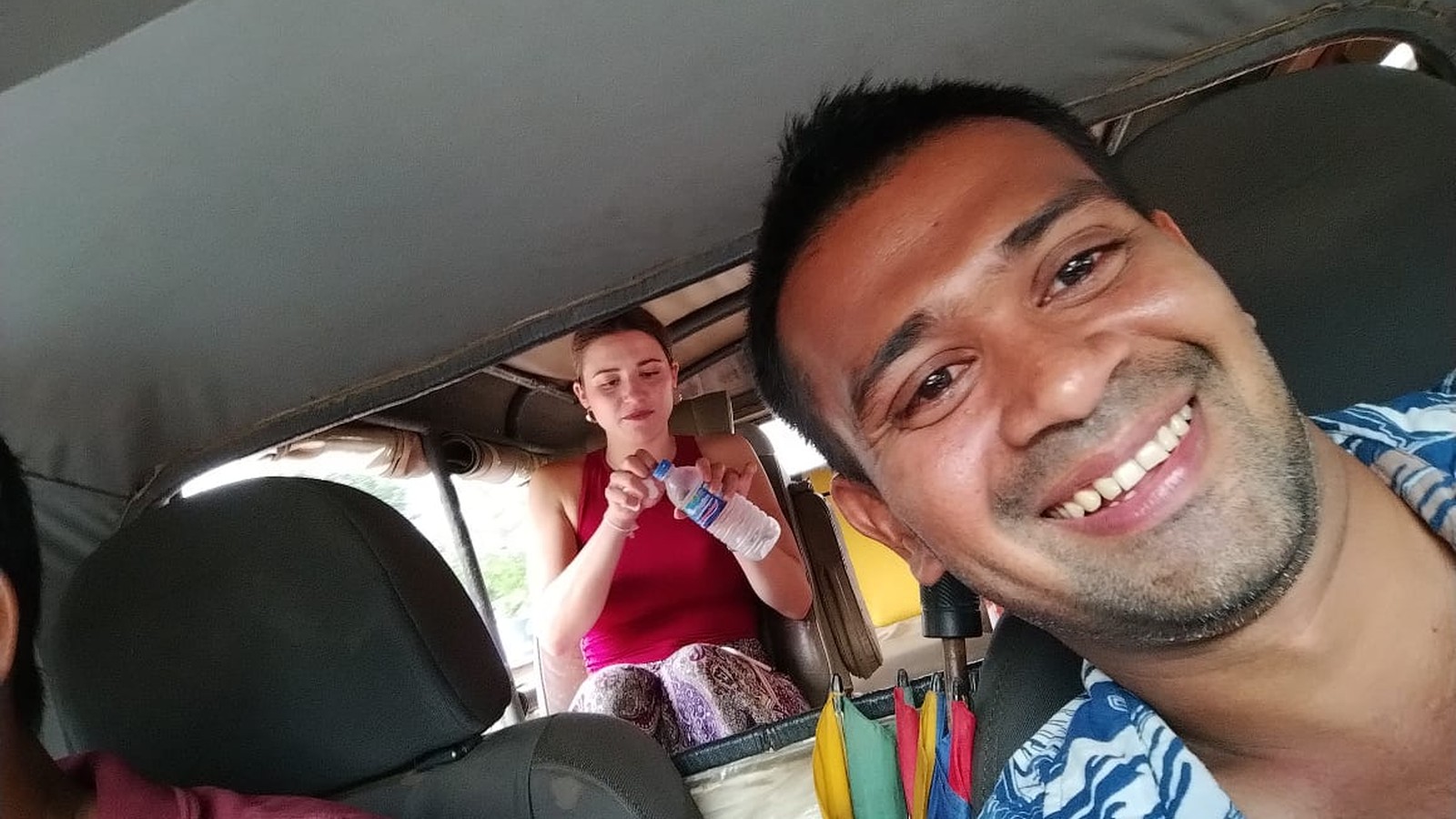
One of the easiest ways to travel well in Sri Lanka is to treat the people handling your route with clear respect. That means being ready on time, communicating changes early, asking rather than ordering, and recognising that a smooth travel day usually depends on more unseen effort than it seems.
Drivers and guides often become the people who help translate the rhythm of the country for you. When the service is thoughtful, acknowledging it matters. That can be through simple thanks, direct feedback, or a tip at the end when it feels deserved.
Good etiquette on the road
A quick respectful-travel checklist
- Dress modestly for temples and cultural sites
- Use your right hand when giving or receiving things when practical
- Ask before photographing people
- Keep your voice lower in religious spaces and quiet local settings
- Accept hospitality with warmth, even when you decline gently
- Treat drivers, hotel staff, and guides with the same courtesy you expect yourself
- When unsure, watch the local tone before acting
None of these points are difficult on their own. What they do together is change the atmosphere around you. The trip becomes less about moving through a place and more about moving with it.
Final note: respectful travel is usually quiet travel
The best etiquette rarely looks dramatic. It is usually just a collection of small decisions: giving a place more reverence than you think it might need, letting another person set the tone first, and remembering that being a guest comes with a certain lightness of touch.
In Sri Lanka, that approach is noticed. It makes temple visits calmer, meals warmer, road days easier, and everyday interactions more genuine. And in the end, those are often the moments that shape the trip as much as the big sights do.

