
Sri Lanka is one of those places where shopping can feel genuinely connected to the journey rather than like a last-minute airport task. The strongest souvenirs are usually tied to the island’s own growing regions, craft traditions, and everyday materials.
That means the best things to buy are not always the flashiest ones in the first tourist shop you see. Tea, spices, handloom, batik, masks, and carefully chosen gem pieces usually carry more meaning than generic imports or novelty items.
This guide focuses on the items that are most worth carrying home, along with a few practical notes on where to buy, what to check before paying, and when quality matters more than price.
How to shop well in Sri Lanka
Before getting into the list, one simple rule helps: buy fewer things, but buy them well. Sri Lanka has excellent local products, but like any tourist destination, it also has shops selling rushed, generic, or inflated versions of the same idea.
- Choose reputable tea shops, handloom stores, and licensed gem dealers where quality can be explained clearly
- Ask where the item was made, especially for textiles, masks, and craft pieces
- Keep receipts if you may need them later for a VAT refund or customs questions at home
- For fragile or valuable items, think ahead about how you will pack them before departure day
A good shopping mindset
1. Ceylon tea
Tea is still the easiest answer if someone asks what to buy in Sri Lanka. It travels well, it is rooted in the island’s identity, and different growing regions really do produce noticeably different styles.
Nuwara Eliya teas are often lighter and brighter. Kandy teas can feel fuller. Uva teas are known for their character and aroma. If you like bringing home something you will actually use rather than simply display, tea remains one of the best-value buys on the island.
Plantation shops, dedicated tea boutiques, and established Colombo tea houses are usually better choices than random gift counters.
2. Spices
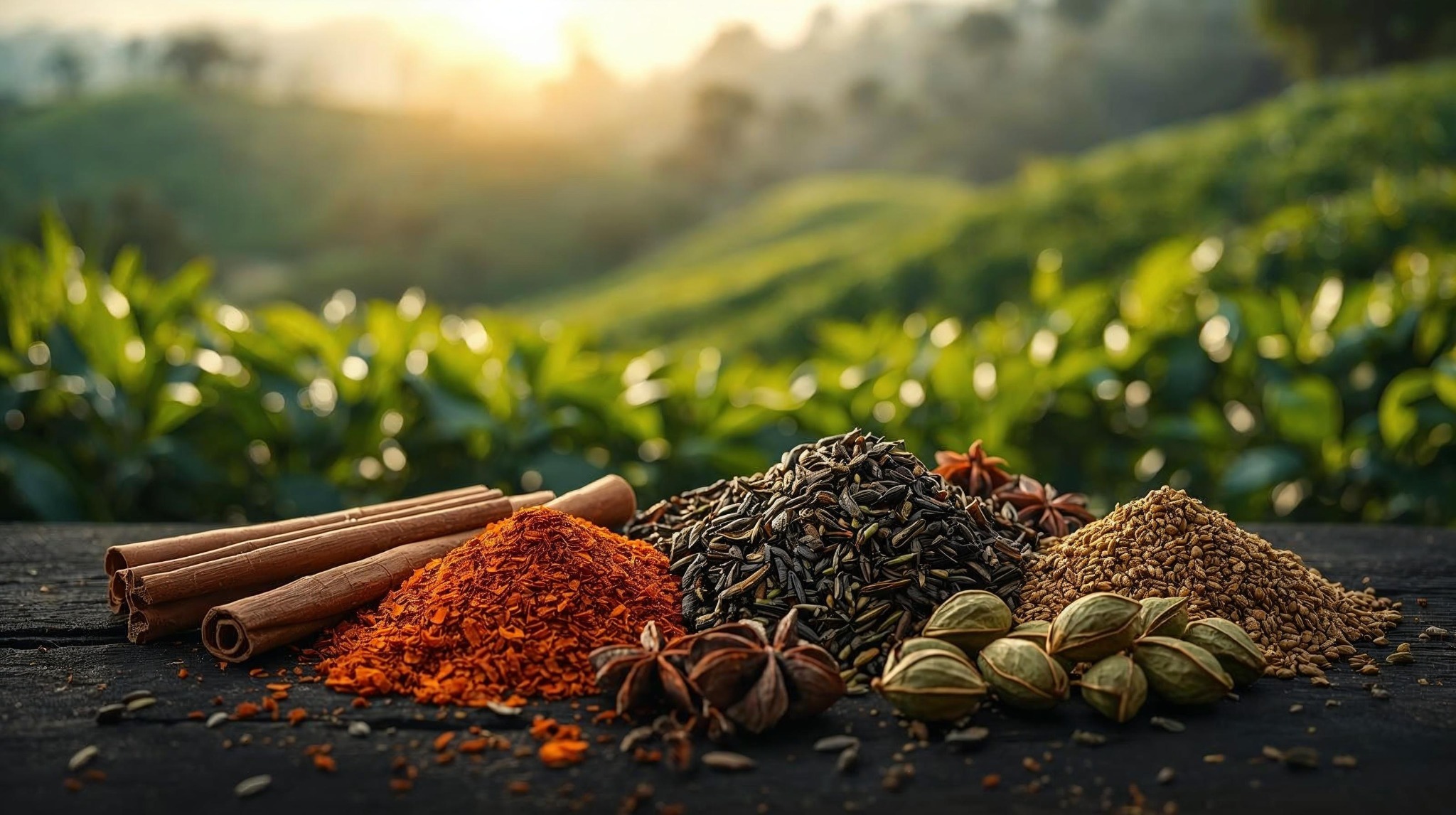
Sri Lanka’s spice story runs deep, and cinnamon is the item most travellers remember first. Good Ceylon cinnamon is one of the island’s signature products, but cardamom, cloves, pepper, curry blends, and nutmeg are also worth a look.
For home cooks, spices are often more useful than decorative souvenirs because they keep extending the trip into your own kitchen later. A small, well-packed spice set can also make an easy gift.
Fixed-price spice shops and well-reviewed stores are usually more comfortable than high-pressure demonstrations.
3. Handloom textiles
Sri Lankan handloom makes a strong souvenir because it combines colour, craft, and everyday usefulness. Scarves, table runners, cushion covers, sarongs, and bed linen can all travel home well without feeling bulky or fragile.
The best pieces tend to feel deliberate rather than over-decorated. Look for strong weaving, clean finishing, and colours you would still want in your home six months later.
Colombo boutiques often give the easiest shopping experience, but you can also find good handloom pieces in cultural towns and selected craft shops around the island.
4. Ayurvedic products
Ayurveda is part of the wider wellness tradition in Sri Lanka, and many travellers like taking home oils, balms, herbal soaps, and small body-care products. The appeal here is less about a dramatic miracle claim and more about continuing a sense of rest and ritual once the trip is over.
If you buy Ayurvedic items, established brands and recognised stores are usually the safest route. That gives you clearer labelling, ingredients, and packaging than buying from an unknown stall just because the price is lower.
5. Gems and jewellery
Sri Lanka is famous for gemstones, especially sapphires, and this can become one of the most memorable purchases on the trip if you want to buy something long-lasting. But it is also the category where caution matters most.
Buy only from licensed or clearly reputable dealers, and ask for certification when it is relevant. A proper explanation of the stone, its treatment status, and the paperwork is part of the purchase — not an optional extra.
If you are not ready for a larger investment, smaller pieces such as moonstone or simple silver-set gems can still make meaningful keepsakes.
Where quality matters most
6. Batik
Batik is a strong choice if you want colour and visible craft in one item. Sri Lankan batik appears in shirts, dresses, wall hangings, tablecloths, and lighter decorative pieces, often with floral or nature-inspired patterns.
Some batik is clearly made for quick tourist turnover, while other pieces feel far more considered. If possible, look for work where the fabric, pattern, and dyeing all feel balanced rather than overly loud for the sake of being noticed.
7. Traditional masks
Sri Lankan masks carry more cultural identity than many travellers expect. Raksha masks and Kolam styles connect to ritual, performance, and regional craft traditions, especially around Ambalangoda.
A smaller mask can work well if you want something distinctive without needing a lot of luggage space. Even one carefully chosen piece can feel more meaningful than several generic souvenirs picked up in a rush.
8. Coconut shell handicrafts
Coconut shell items are one of the easier eco-leaning souvenir choices on the island. Bowls, spoons, trays, and small decorative pieces often feel simple, useful, and tied to local material culture rather than mass tourism.
These are especially good if you want gifts that are lightweight, practical, and not too expensive. They also pair well with handloom and spice purchases if you are putting together a small Sri Lanka-themed gift set for someone at home.
9. Lacquerware
Lacquerware is a quieter category, but it is worth paying attention to if you like home pieces with colour and craft detail. Small boxes, bowls, trays, and decorative containers can look elegant without being overly formal.
This is the kind of item that works best when you choose one good piece instead of several tiny ones. A single well-finished box or bowl often lands better at home than a collection of cheaper pieces that never find a place.
10. Elephant-themed souvenirs
Elephant motifs appear throughout Sri Lankan souvenir culture, from small wooden carvings to ceramics, textiles, and jewellery. If you want something symbolic of the island without buying a large decorative object, this can be an easy category to browse.
The best approach is to look for elephant-themed craft work rather than anything made from animal-derived material. Painted wood, textiles, or small ceramic pieces usually feel warmer, more useful, and more in line with the kind of ethical shopping most travellers want.
Where these purchases make the most sense
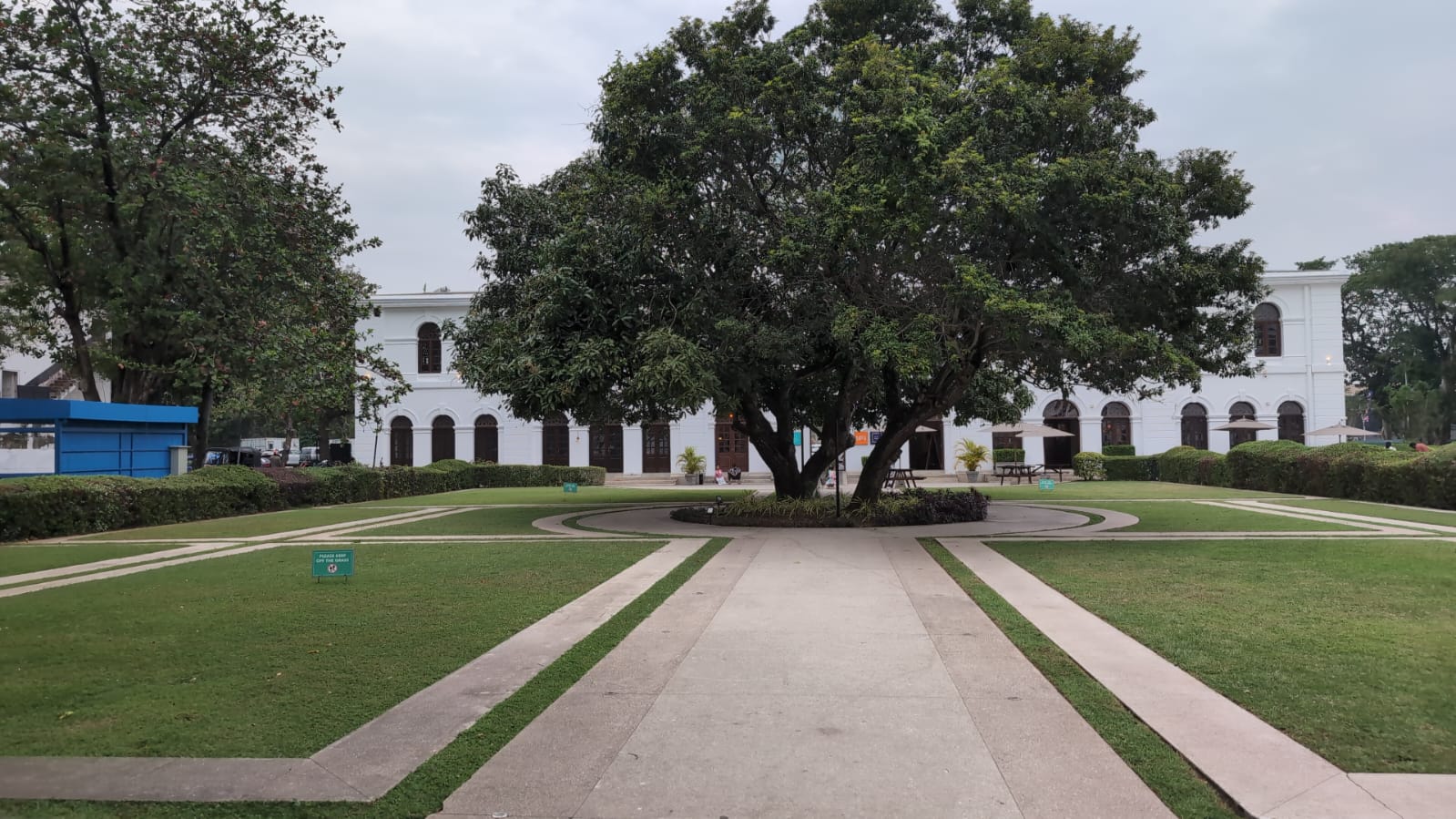
Different items are easier to buy in different parts of the route. Tea usually feels strongest when you are in or near the hill country. Spices often come up around Kandy or Matale. Masks link well with the south-west coast. Gems and more polished shopping experiences are often easier in Colombo or Galle.
That is why shopping usually works best as part of the route rather than as a random scramble at the end. If you already know which regions you are visiting, it becomes easier to match the item to the place.
A few practical buying tips before you leave
- Keep receipts for higher-value items and anything you may want to claim under the VAT refund scheme
- Pack fragile masks, ceramics, and lacquerware carefully, or carry them in hand luggage if practical
- Ask your home country customs questions in advance if you are buying plant products, food items, or expensive gems
- Leave enough space in your bag rather than assuming you can compress everything on departure day
Good shopping is usually easier when your final day is not overloaded. If departure morning already feels tight, even a few nice purchases can start to feel like extra stress rather than a pleasure.
Final note: buy what will still mean something later
The best Sri Lanka souvenirs are usually the ones that still feel connected to the trip once you are back in ordinary life. Tea you actually drink, spices you actually cook with, textiles you really use, and one or two thoughtful craft pieces often stay meaningful for longer than a suitcase full of novelty items.
So if you are deciding what to bring home, start with what feels local, practical, and well made. That combination almost always travels best.

