
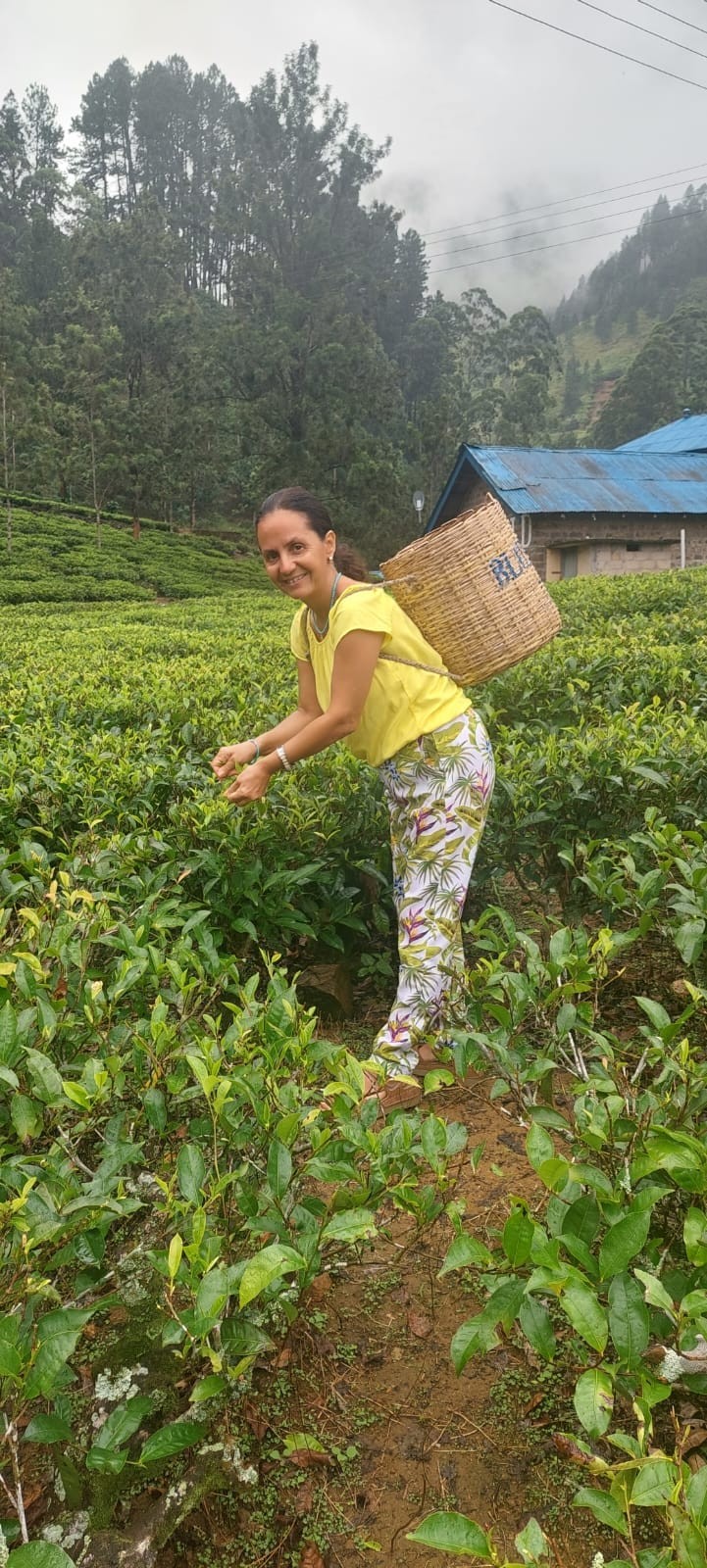
The most meaningful version of responsible travel is not perfection. It is simply building a trip that respects place, time, and people.
In Sri Lanka that often means favouring locally run experiences, family guesthouses, independent drivers, craft traditions, and slower visits where interaction feels real rather than staged.

Where your spending lands matters
A meal at a locally run restaurant, a village cooking class, a guide who lives near the site, or a handloom purchase from a real maker can all keep more value in the destination itself.
That does not mean every big business is wrong. It simply means small local choices are worth noticing when they fit the trip naturally.
Respect works better than performance
Responsible travel is not about collecting moral points. It is about behaving well: asking before taking photographs, paying fairly, arriving on time, and understanding that somebody else's village is not just a backdrop.
In many cases, staying curious and polite is more useful than trying to turn every interaction into a grand cultural lesson.
- Buy fewer things, but buy them from real local makers where possible
- Take guided experiences that explain context rather than just move you quickly through a stop
- Leave room in the route for places to feel lived in, not only consumed
What this looks like on a real route
A responsible Sri Lanka trip can still be comfortable and well organised. It simply keeps an eye on who benefits from the route and whether the pace allows respectful interaction rather than rushed extraction.
That usually leads to a better trip anyway: clearer memories, warmer conversations, and a stronger sense of place.
What this looks like in ordinary trip choices
Responsible travel usually shows up in the quieter parts of a route: choosing a family-run stay for one night, buying directly from a small workshop instead of only from airport-style souvenir shelves, or taking a locally guided experience where somebody explains the place rather than only moving you through it.
It also means noticing that real communities have their own rhythm. Arriving respectfully, asking before photographing people, and spending with a little thought often does more good than any grand statement about travelling responsibly.
How to let the place feel more real
Articles like Supporting Local Communities Through Responsible Travel work best when they help you slow down just enough to see context instead of only collecting a sight. In Sri Lanka, a little cultural framing usually changes how a stop feels far more than adding another photo point ever could.
That does not mean making the day overly serious. It simply means giving the place enough respect, asking a few better questions, and letting local rhythm matter as much as the checklist.
- Leave space for conversation or observation, not only movement
- Pair culture stops with one calmer local experience where possible
- Use respectful pacing instead of trying to sweep through everything

